
Summer Reading · Tips & Strategies
Three Tips to Encourage Summer Reading
How to help students see summer reading as an exciting opportunity — not a chore.
Emily Yoder, Product Manager
April 2026 · 5 min read
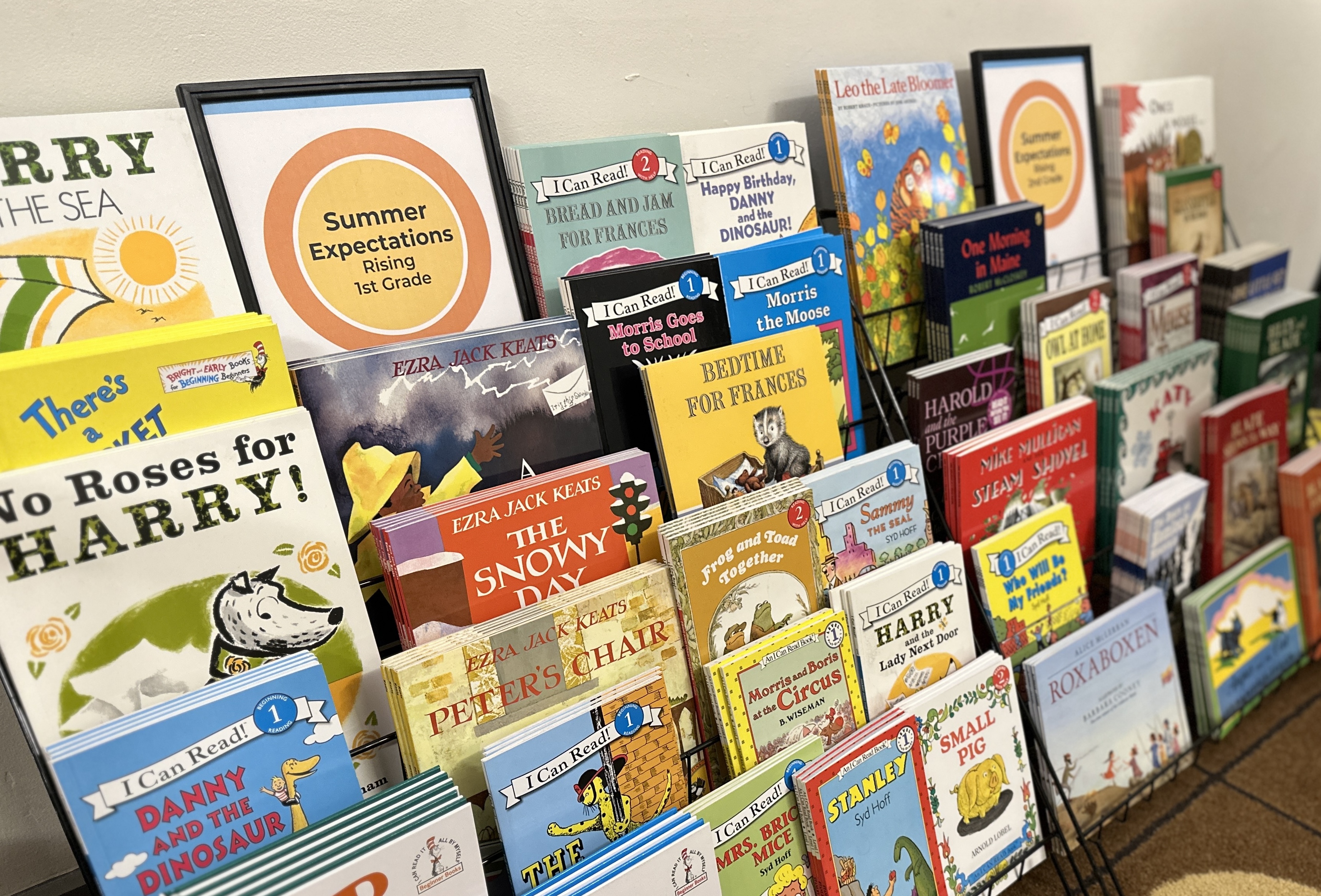
Summer is the perfect season to cultivate a lifelong love of reading.
As the last of the snow finally melts and the days are growing longer, Storyglory is in the thick of Spring book fairs. We've been hard at work designing our "Happy Birthday, America!" theme, in connection with our nation's 250th anniversary, and we are excited to bring this new catalog and hundreds of new books to your schools! And this year, you'll notice something else new in our catalog: a summer reading spread filled with books hand-picked by Storyglory.
Storyglory is passionate about getting your kids not just to read but to truly love reading. A big part of this mission, we believe, is introducing them to truly excellent literature that will nourish their minds and imaginations. That's why we want to help your students read 100 great books before they graduate from high school, as you'll see on our Summer Reading page. But a big part of this mission is also encouraging a culture of reading, where students view reading as a privilege rather than a chore.
When students see a summer reading list, they're likely to feel like you've ruined their summer vacation by giving them homework to do when they're supposed to be free — not sitting in class and certainly not learning anything. So how can you help students view summer reading like an exciting opportunity to encounter new stories they might not have otherwise read? We can't perfectly solve the summer reading problem (some students might always feel like you're handing them a miserable chore), but we do have some suggestions.
Subscribe to Our Newsletter for School Librarians & Administrators
Join librarians and administrators who get curated book fair resources, collection guides, and read-aloud recommendations delivered to their inbox every month.
1. Make It a Challenge, and Offer a Reward
We're a biased sample group, but here at Storyglory, we fondly remember our local libraries' summer reading challenges: filling out lists of books we had read, turning them in, getting stickers, working toward an exciting prize. We remember businesses like the local Chick-fil-A and Pizza Hut partnering with our libraries to distribute prize coupons for finishing books, which usually led to a family outing to get an Icedream or a personal pan pizza. We could taste our success!
Storyglory is offering a chance at several gift cards for students who complete our reading challenge, but your school can work to offer a meaningful incentive, too. Consider reaching out to your own local businesses like a beloved local restaurant or the town bookstore. Getting the community involved in school literacy initiatives can help work toward a wider culture of excitement about reading! And having a chance to win something specific and interesting can give kids the push they need to sit down and read.
Getting the community involved in school literacy initiatives can help work toward a wider culture of excitement about reading.
2. Suggest Co-Curricular Activities that Complement the Books
Sure, you can't take your students to Willy Wonka's chocolate factory — or send them deep into the woods like Brian Robeson in Hatchet — but bringing books off the page into the real world can give kids a meaningful way to engage with what they're reading. Instead of visiting Wonka's chocolate factory, consider putting together a candymaking craft for kids to do at home. Instead of surviving alone in the woods, put together a list of local state parks for families to visit.
3. Work with Parents to Establish Summer Reading Habits
Getting parents on board with and participating in their children's reading life is vital to establishing a culture of excitement about reading. Encourage parents to evaluate their child's reading habits and address any issues that stop them from reading.
Too hard to find structured reading time in the free-flowing summer days? One Storyglory staff member is planning on encouraging a set reading time every day (or almost every day) in the summer. Too challenging to sit down and read the printed word? Another Storyglory staff member finds that audiobooks — when paired with a quiet craft like sewing or knitting — can help kids engage with stories when looking at a page just won't do: this might be helpful for your students, too. Advise parents to be reading their own books, too, with and around their children.
"Train up a child in the way he should go; even when he is old he will not depart from it." — Proverbs 22:6
We hope these ideas spark some interest and excitement in your students, and we can't wait to see what your summer reading programs look like this year! What sorts of initiatives have you implemented to encourage summer reading? What has worked well? Let us know!
P.S. To learn more about Storyglory's Summer Reading Challenge (and prizes!), visit storyglorykids.org/summer-reading.
Storyglory Newsletter for School Staff and Librarians
Equip your school with better books—and a better vision for reading
Get practical ideas, trusted book recommendations, and thoughtful guidance for cultivating a Christ-centered reading culture in your school.
We respect your inbox. Unsubscribe anytime.